Eszter Valentinyi-Harmath
Marketing in the heart, front-end in the mind, Nutella in the veins.
View all authors

Feature Flags Behind a Proxy: HTTP Proxy vs ConfigCat Proxy

· 12 min read

Zoltan David
One with a vision, answers and a master plan.
Eszter Valentinyi-Harmath
Marketing in the heart, front-end in the mind, Nutella in the veins.

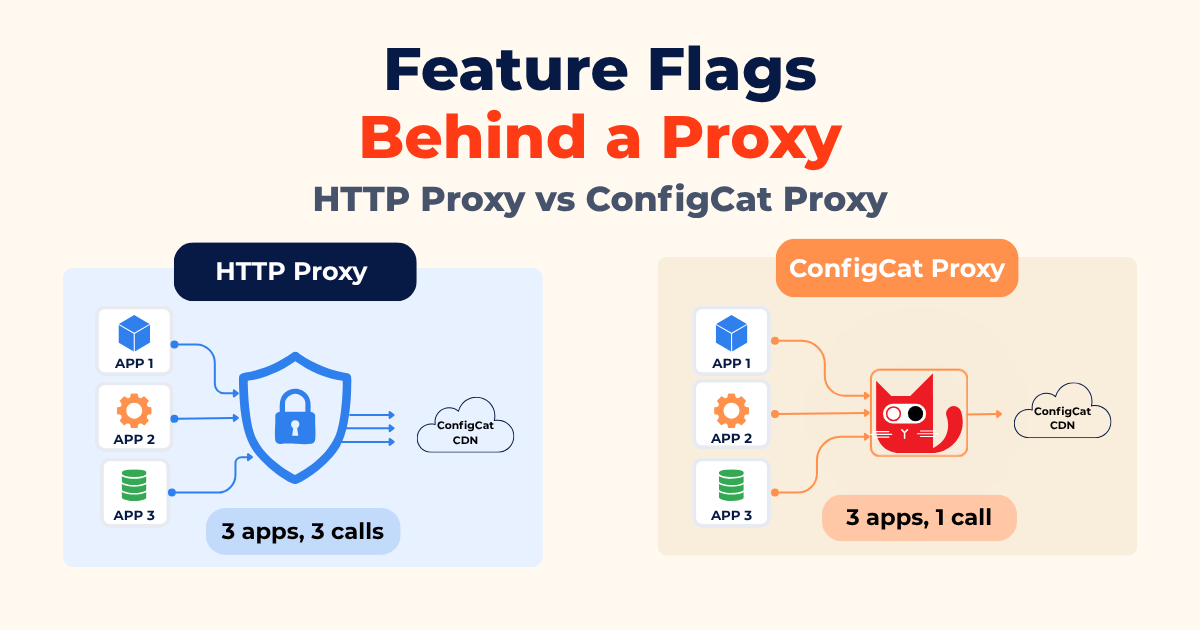
Feature flags need a way to receive configuration updates. In many setups, that means an outbound connection, but restricted networks can make that impossible.

If your backend sits behind a corporate proxy, outbound requests may need to pass through an authenticated gateway. In a locked-down VPC or air-gapped environment, direct internet access may be restricted or unavailable entirely. When the SDK cannot retrieve a usable configuration, it may continue using the last cached version or fall back to configured default values. Either way, the "flip a switch" experience starts looking a lot less dynamic.

ConfigCat proxy cover image

Multi-Tenant Feature Flags: How to Target Features by Tenant

· 10 min read
David Herbert
Turning deep tech into stories developers actually want to read.
Eszter Valentinyi-Harmath
Marketing in the heart, front-end in the mind, Nutella in the veins.

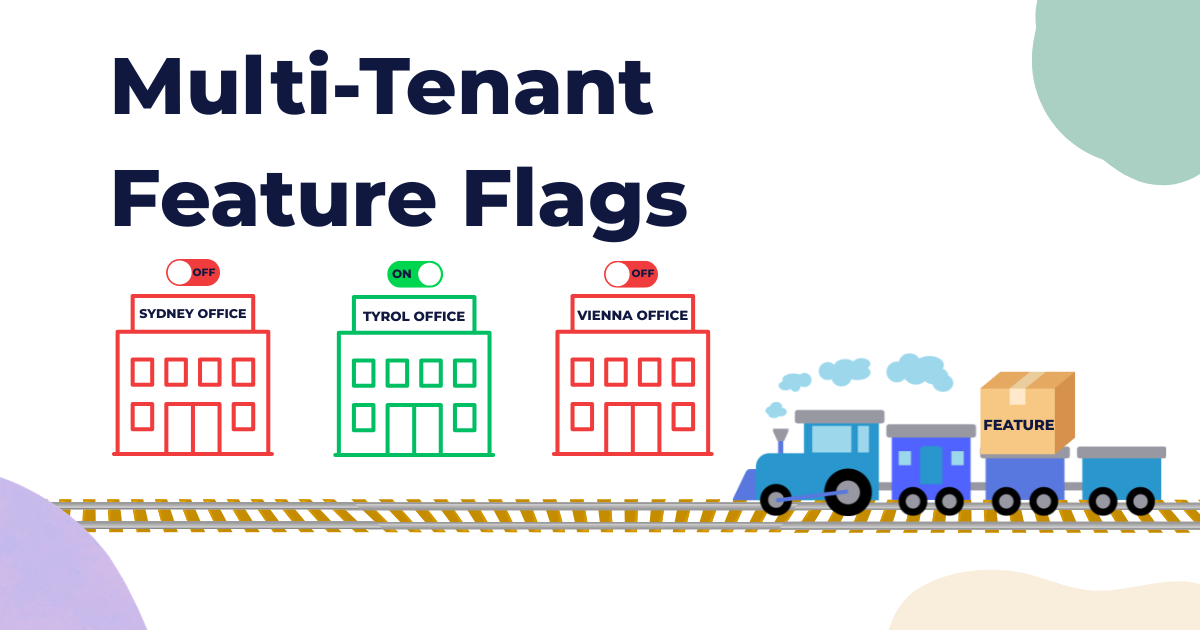
Multi-tenant feature flags let you turn a feature on for one tenant while keeping it off for everyone else, all without a redeploy. If you run a B2B SaaS product where several customers share the same codebase, this is how you ship features to one account at a time.

This guide covers three ways to target features by tenant in ConfigCat: custom attributes, reusable segments, and separate environments. We'll look at when each one fits and how much configuration separation each approach provides.

How to Target Features by Tenant

Build vs. Buy Feature Flags: Costs, Trade-offs, and When to Build Your Own

· 18 min read
David Herbert
Turning deep tech into stories developers actually want to read.
Eszter Valentinyi-Harmath
Marketing in the heart, front-end in the mind, Nutella in the veins.

Most homegrown feature flag systems start small: a boolean in a config file or a database table.

For a few temporary flags in one application, that may be enough. The complexity begins when other services need the same flag, product wants a gradual rollout, support needs customer-level access, or security asks who changed what.

At that point, you are no longer managing a boolean. You are operating shared release infrastructure. The build-versus-buy decision depends on how far you expect that infrastructure to grow and who will own it once the original project is finished.

ConfigCat vs In-House Feature Management cover

Vibe Coding Best Practices: Feature Flags as a Safety Net

· 16 min read
Eszter Valentinyi-Harmath
Marketing in the heart, front-end in the mind, Nutella in the veins.

Vibe coding is genuinely changing how software gets shipped. It's not hard to see why: faster iterations, lower barrier to entry, more time in flow, and less time wrestling with boilerplate.

Production, on the other hand, doesn't care about your flow state.

You've probably been there: a feature that looked clean in every prompt, passed the automated tests, survived a quick review, and got merged without a second thought, only to silently misbehave for a slice of your users hours later. The AI didn't know about the edge case. You didn't catch it. And now you're debugging code you didn't quite write.

This doesn't mean vibe coding is the problem. It means AI-assisted development needs a production safety net. And what is one of the most practical safety nets for production features? Feature flags.

Vibe coding best practices with feature flags as a safety net

Feature Flags for Startups: Meet the ConfigCat Startup Program

· 6 min read
Eszter Valentinyi-Harmath
Marketing in the heart, front-end in the mind, Nutella in the veins.

Shipping fast is part of startup life. Breaking production doesn't have to be.

Early-stage SaaS teams face a unique challenge: they need to ship new features quickly, experiment often, and release continuously without risking production stability. Speed drives growth, but uncontrolled releases can lead to outages, technical debt, and lost user trust. That's why feature flags have become a core part of modern startup release management.

The ConfigCat Startup Program was created to help startups build with the right foundations from the beginning. It gives early-stage teams access to a production-ready feature flag service with startup-friendly pricing, so they can release safely while everything is still under construction.

ConfigCat Startup Program

How to Migrate from LaunchDarkly to ConfigCat

· 16 min read
Eszter Valentinyi-Harmath
Marketing in the heart, front-end in the mind, Nutella in the veins.

Are you considering a switch from LaunchDarkly? Whether you're looking for more flexibility, cost-efficiency, or just a smoother developer experience, ConfigCat offers a refreshingly straightforward alternative. With a built-in import tool and transparent SDKs, moving your feature flags over is quicker than you might think. In this guide, we’ll walk you through the migration process - without breaking a sweat (or your codebase).

Migrate from LaunchDarkly